



 Popular Categories
Below 100 Initiative: Protecting Those Who Serve
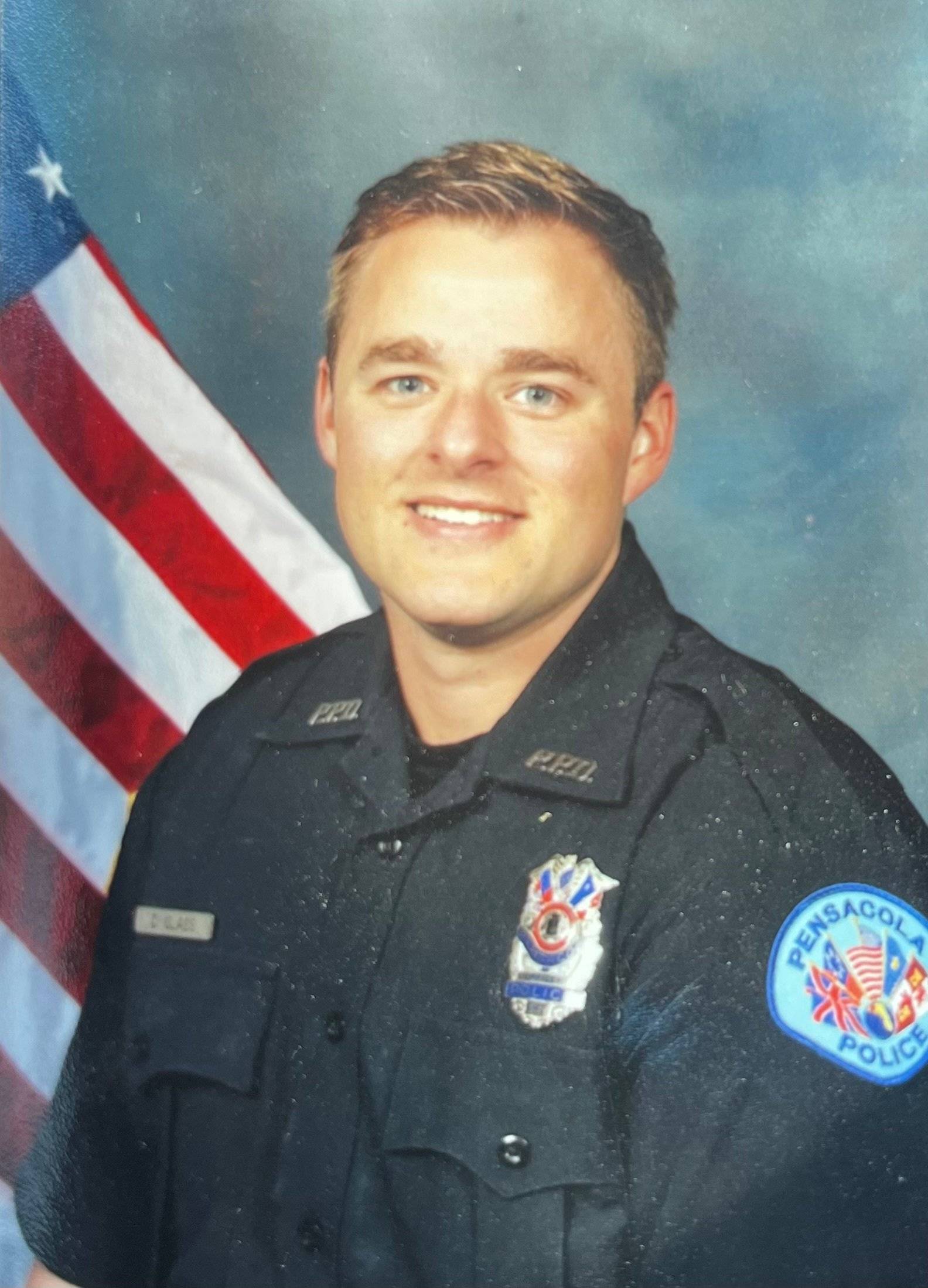
The reality of modern law enforcement is sobering. There are agencies that have never suffered a line of duty death (LODD), places where a dedicated professional might go their entire career without pulling their firearm. For many who wear the badge, however, that agency is an outlier and becoming decreasingly common. When you prepare for your shift, the potential not to return home remains incredibly high. The loss of a colleague is a profound tragedy; it creates a ripple effect that touches families, departments, and entire communities.
The weight of this loss on those closest is something that never truly eases. The world remains unpredictable, and the risks associated with public safety are substantial. Yet, amidst the unpredictability of every call for service, actionable steps can be taken to protect professionals and prevent tragedies. Every individual who has passed away in the line of duty did so as a hero, selflessly giving it all. Honoring their sacrifice requires a commitment to active prevention.
This is the driving force behind the Below 100 initiative. This powerful movement is dedicated to reducing line-of-duty deaths to fewer than 100 per year—a figure not consistently seen since 1944. The mission is clear: prevent police officer fatalities through standardized training that focuses on core, controllable actions.
This article examines the foundational principles of Below 100, highlights the importance of top-tier police officer safety gear, and demonstrates how every professional plays a vital role in supporting these life-saving habits.
The Reality of the Numbers in Law Enforcement Safety
For decades, the number of law enforcement officers lost annually has frequently exceeded 150. Behind every statistic is a grieving family, a resilient department, and a community demanding answers. Safety experts analyzed these incidents and identified a troubling pattern: a significant percentage of deaths were due to circumstances that personnel could directly control.
Vehicle accidents, heat exhaustion, failures to wear body armor, and complacency in high-risk situations are leading contributors to these statistics. The Below 100 initiative works to transform law enforcement culture across the nation. It drives a shift away from the dangerous assumption that "it won't happen to me," replacing it with a rigorous mindset of active prevention.
Through focused officer training programs, national seminars, and agency-wide policy shifts, Below 100 educates departments on current trends in safety. By providing the knowledge needed to make better decisions in high-stress environments, the initiative empowers professionals to prioritize their well-being alongside their duty to the public.
The Five Tenets of the Below 100 Initiative
At the heart of the Below 100 curriculum are five core tenets. These straightforward reminders are engineered to address the most common areas of preventable loss. Integrating these tenets into daily operations is essential for line of duty deaths prevention.
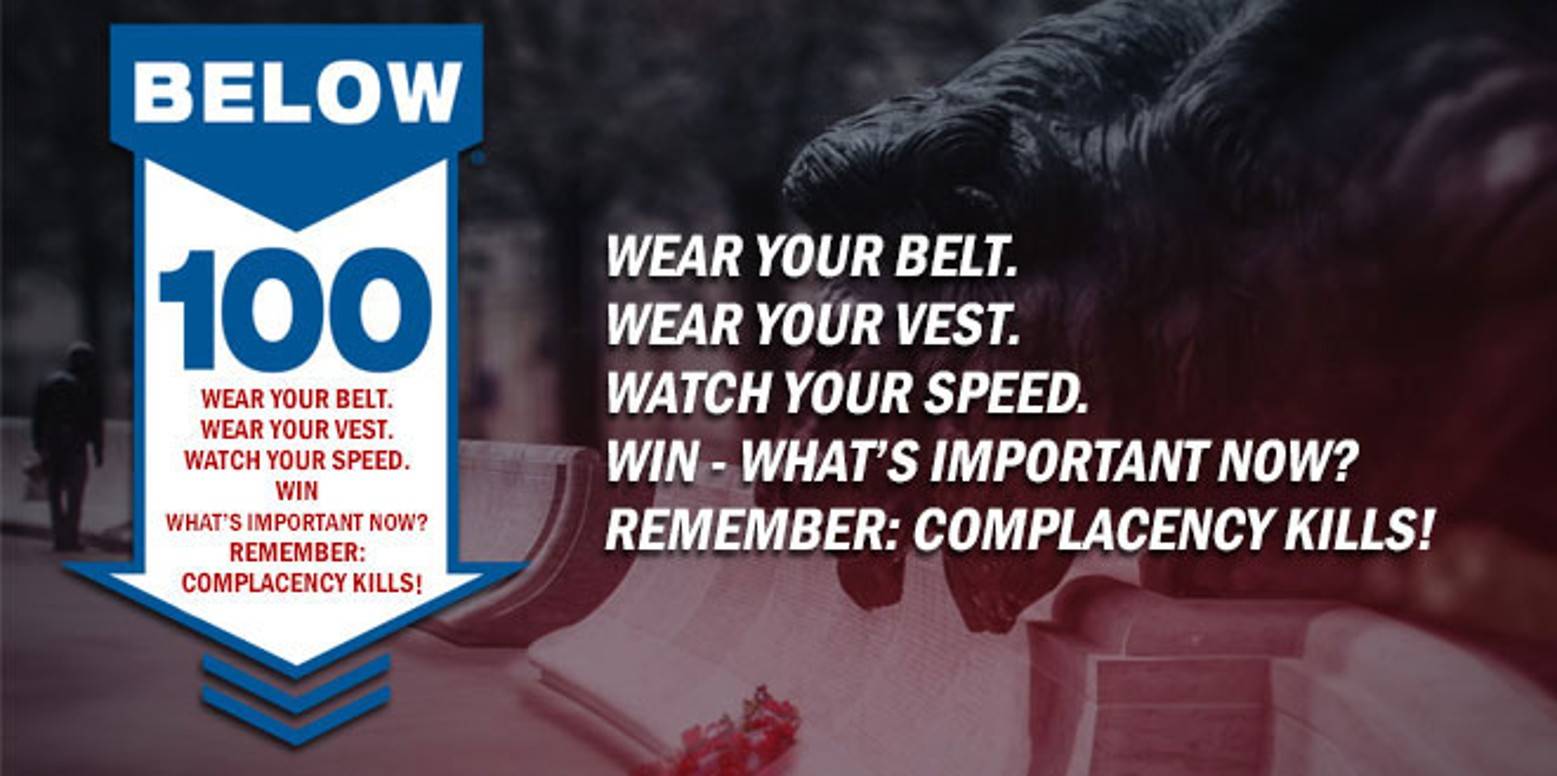
1. Wear Your Belt
Vehicle-related incidents consistently rank as one of the top hazards for law enforcement officers. The simple, mechanical act of securing a seatbelt is often the defining factor between walking away from a catastrophic crash and suffering a fatal ejection.
A common misconception is that a seatbelt will slow down an egress during an emergency. In reality, the fraction of a second required to release a harness does not jeopardize your operational capability. However, it absolutely ensures you remain inside the protective cage of the vehicle during a collision.
Consider high-priority responses where immediate assistance is required. When traveling at elevated speeds, there is virtually zero margin for error. A civilian vehicle failing to yield, an unexpected obstacle, or adverse weather conditions can cause an instantaneous loss of control. Securing your seatbelt guarantees you have the opportunity to arrive safely and render the necessary aid.
2. Wear Your Vest
Ballistic vests have saved thousands of lives, yet compliance issues persist, often attributed to comfort or environmental heat. The Below 100 initiative emphasizes an uncompromising standard: police officer safety gear, particularly body armor, must be worn on every shift, without exception.
A professional's commitment to wearing a vest creates a baseline of security. When utilized consistently, body armor becomes a natural extension of the uniform. Modern ballistics are engineered to be significantly thinner, lighter, and more breathable than legacy systems, providing exceptional protection without compromising mobility. Departments must ensure that personnel are equipped with custom-fitted, unexpired armor to maximize both comfort and survivability.
3. Watch Your Speed
High-speed responses are an inherent component of public safety, but operating a vehicle beyond the limits of current conditions is a primary cause of single-vehicle accidents. Professionals are instructed to drive with due regard for overall safety, recognizing a fundamental truth: you cannot assist anyone if you do not survive the journey to the scene.
During training academies and field evaluation phases, personnel learn that if colleagues must divert to manage a secondary crash, the original call for service suffers critical delays. Maintaining awareness of speed is exceptionally challenging under stress. Adrenaline and the intense desire to assist can induce tunnel vision. Relying on discipline, breathing techniques, and situational awareness allows the driver to modulate speed appropriately. Once sufficient units are confirmed on the scene, secondary responders must reduce speed and proceed with measured caution.
4. WIN — What’s Important Now?
The acronym WIN serves as a continuous tactical anchor. In chaotic, rapidly evolving environments, pausing to ask "What's Important Now?" helps isolate the most critical immediate task.
This cognitive reset prevents cognitive overload. Whether the situation dictates taking cover, holding a perimeter to wait for backup, or employing de-escalation tactics, WIN forces prioritization. This principle is deeply embedded in premier officer training programs, ensuring that personnel remain proactive rather than purely reactive when confronted with overwhelming stimuli.
5. Remember: Complacency Kills
Routine is the natural enemy of tactical safety. When personnel assume a call is merely "another false alarm" or view a traffic stop as "routine," situational awareness plummets. Maintaining a continuous state of relaxed alertness is mandatory for survival.
Complacency manifests in numerous subtle ways. Turning away from an unsecured subject, failing to properly clear a vehicle, standing in the fatal funnel of a doorway, or rushing through a pat-down search are all symptoms of a relaxed guard. Complacency is defeated through rigorous adherence to protocol and a conscious refusal to accept standard environments as entirely safe.
Geographic Application: Scaling Officer Training Programs Nationwide
The principles of the Below 100 initiative are not limited to specific jurisdictions. Whether an agency patrols a densely populated metropolitan center, a sprawling suburban county, or an isolated rural municipality, the fundamentals of law enforcement safety remain universal.
In urban environments, the focus may lean heavily toward navigating congested intersections and managing close-quarters complacency. In rural regions, the emphasis often shifts toward high-speed responses on unlit secondary roads and the reality of extended backup arrival times. By integrating these scalable tenets into localized officer training programs, agencies across the country can tailor the Below 100 message to address their specific geographic hazards while maintaining the core mission of line of duty deaths prevention.
The Role of Procurement and Quality Police Officer Safety Gear
For agency administrators and municipal leaders, supporting the Below 100 initiative requires viewing procurement through a strict safety lens. Mandating safety policies is insufficient; departments must actively supply the robust equipment that makes compliance possible. Leadership must set the standard, ensuring that operational gear meets the rigorous demands of the field.

Critical investments include:
- Vehicle Safety Enhancements: Upgrading fleet vehicles with advanced restraint systems, enhanced vehicle lighting, and evaluating ballistic-rated glass to mitigate ambush risks.
- Custom-Fitted Body Armor: Achieving 100% compliance with the "Wear Your Vest" mandate requires properly fitted equipment. Leveraging federal and state grants can offset the financial impact of outfitting personnel. It is crucial to monitor expiration dates, as the protective capabilities of standard body armor degrade after five years.
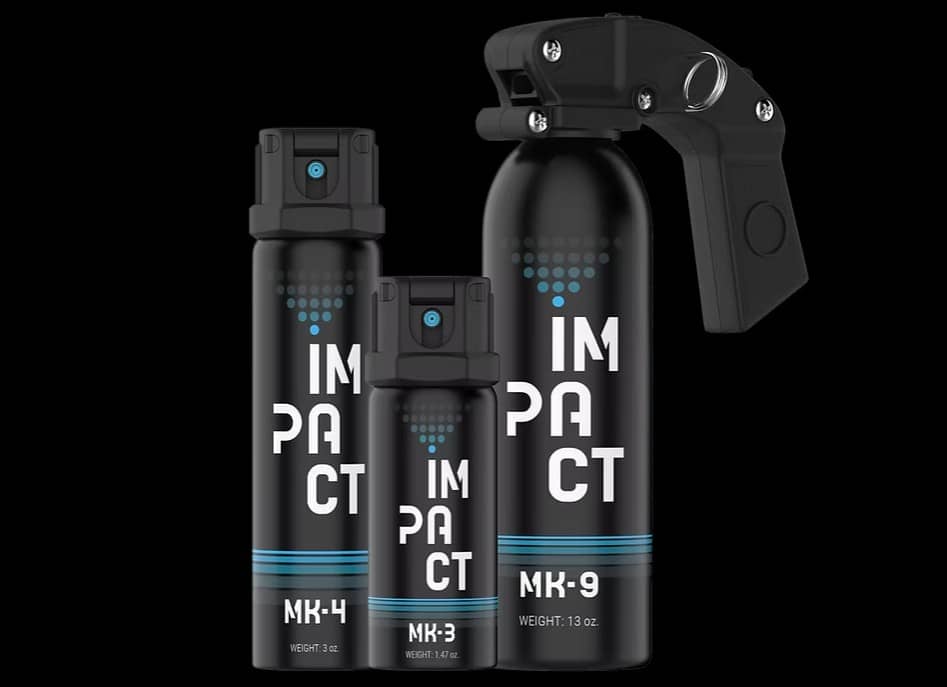
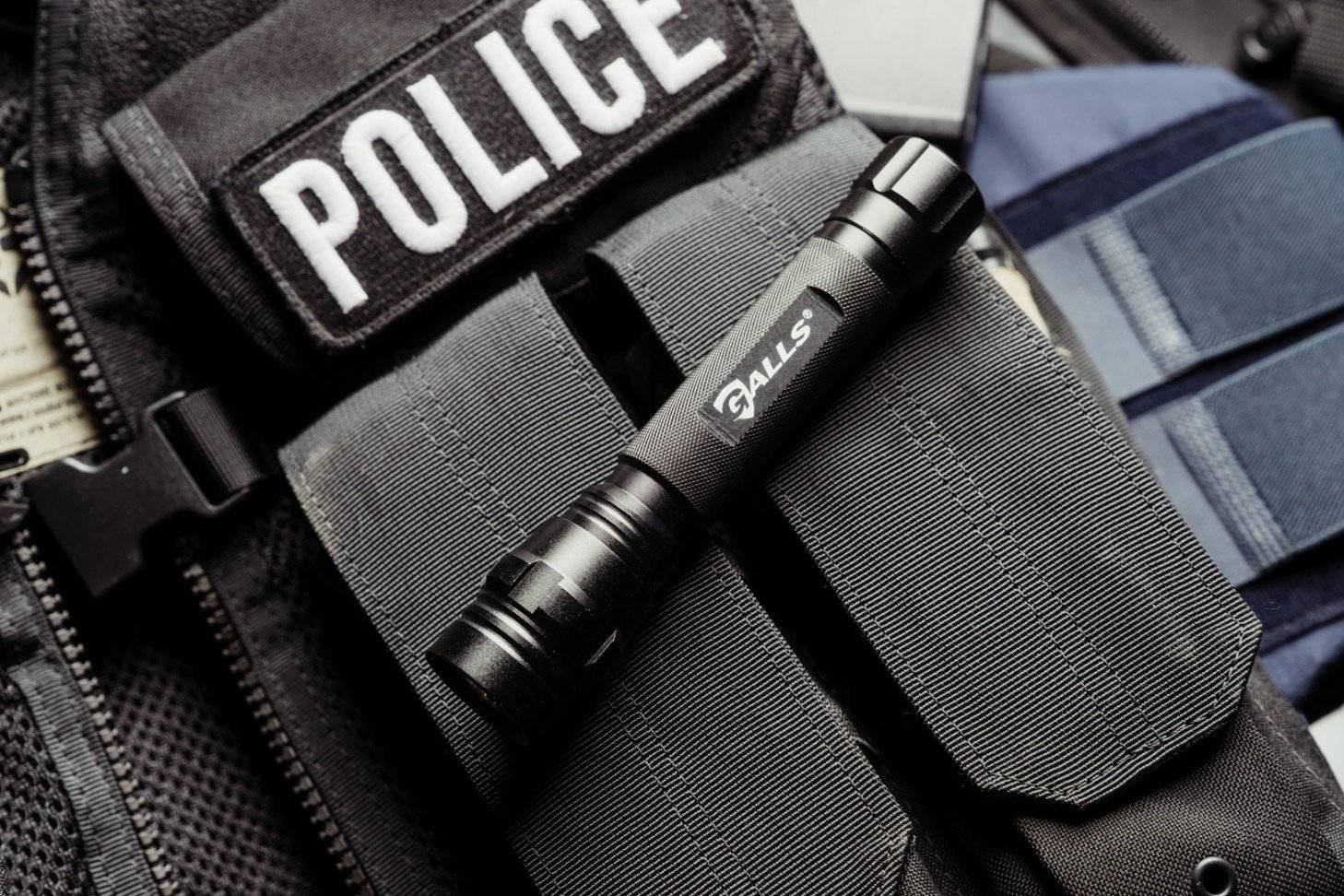
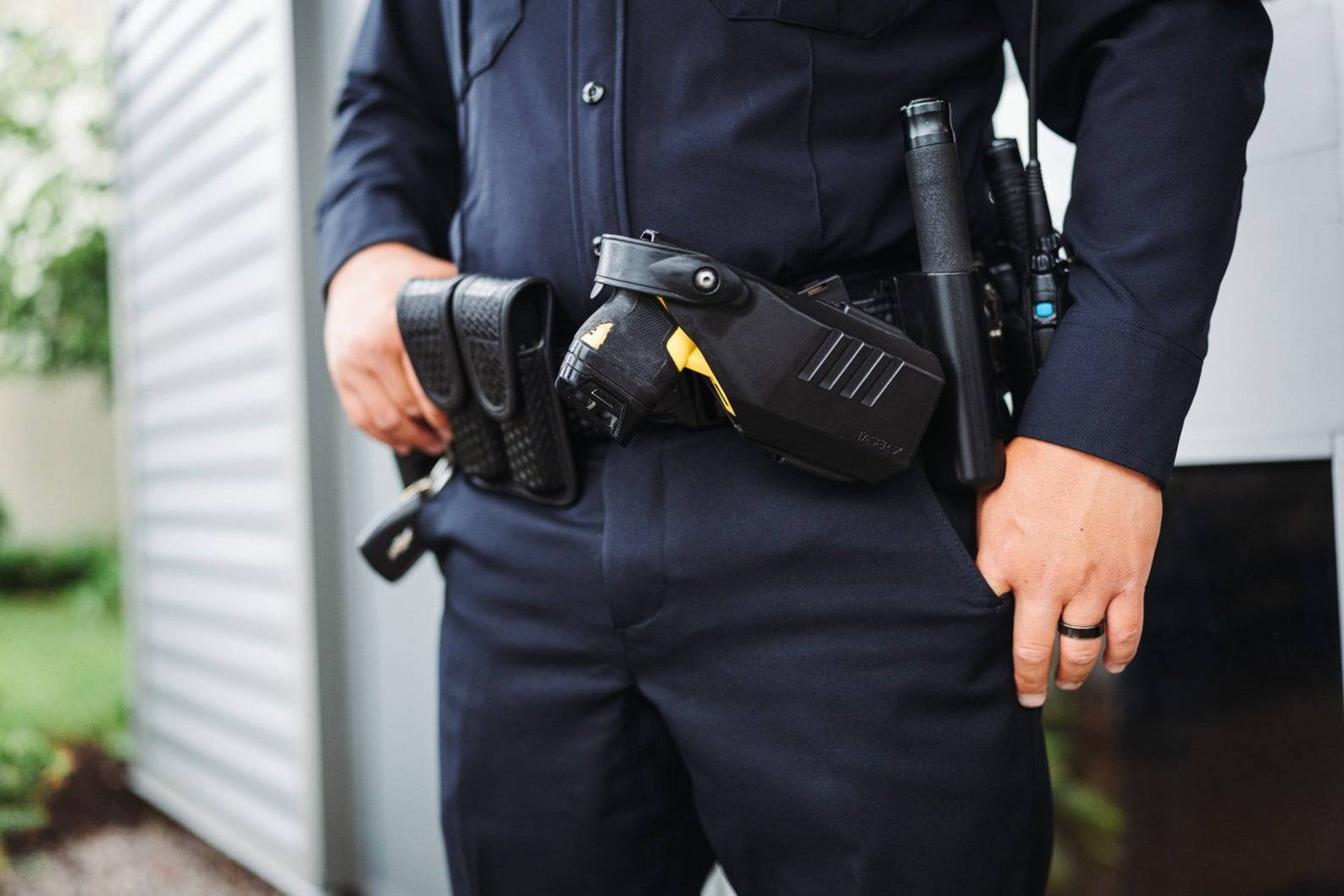
- Comprehensive Equipment Provision: Allocating budgets for high-visibility safety apparel, advanced less-lethal tactical tools, and reliable law enforcement duty gear. High-quality first responder uniforms and supportive police footwear reduce physical fatigue and keep personnel focused on their surroundings.
Administrative delays in replacing compromised gear leave personnel exposed to unnecessary risk. Forward-thinking agencies utilize dedicated, streamlined web portals that allow personnel to order pre-approved, safety-rated gear directly. This ensures the continuous availability of critical protection.
Defeating Complacency Through Ongoing Preparation
The final tenet, Complacency Kills, serves as the operational thread binding the entire initiative together. Complacency is the dangerous assumption that past outcomes guarantee future safety.
It is a failure to properly inspect the rear transport compartment of a cruiser. It is neglecting the meticulous cleaning and maintenance of a primary duty weapon. It is failing to practice emergency radio transmissions under simulated stress. Complacency can even extend to physical readiness, where a lack of physical conditioning compromises the body's ability to endure the physiological stress of an altercation.
Combating this requires a culture of continuous preparation. Excellence in public safety demands that personnel treat every shift with the same level of respect and caution as their first day on patrol.
Conclusion: Your Role in Line of Duty Deaths Prevention
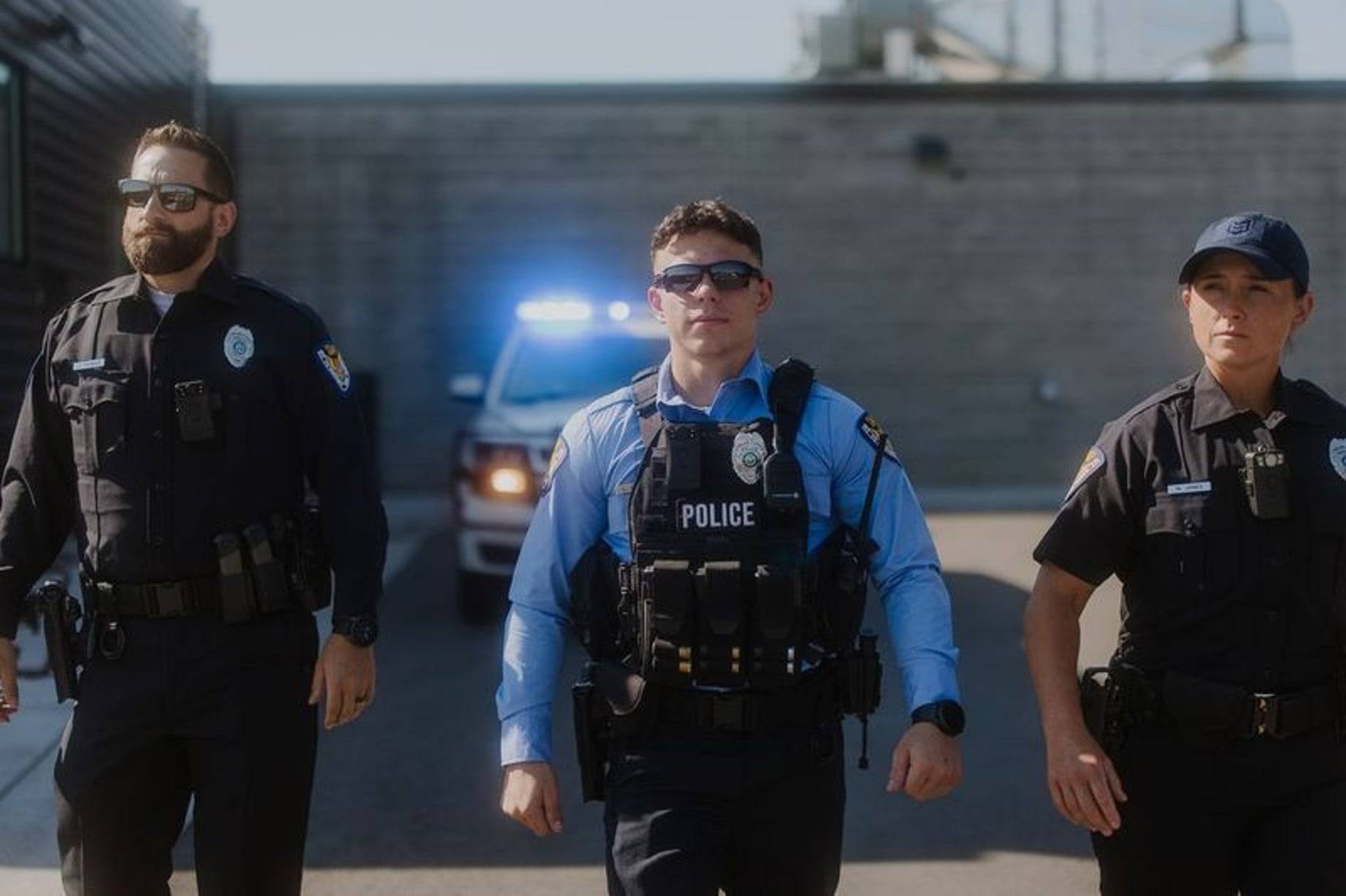
Achieving a sub-100 fatality rate is a monumental milestone for the public safety sector, but any loss of life remains a profound tragedy. The statistics representing medical emergencies, vehicle collisions, and deliberate attacks underscore the continuous need for rigorous adherence to safety protocols. Behind every number is a law enforcement family forever altered.
It is the fundamental duty of every professional to protect themselves, their colleagues, and the community they serve. When deviations from the Below 100 pillars are observed—whether by a new recruit or a highly tenured veteran—it is imperative to step in and provide a respectful, firm correction. Reminding a partner to secure their seatbelt, reduce their speed, or use their carrier plate for tactical missoins could be the exact intervention that ensures they return home.
The psychological toll of this profession is significant. Bearing witness to tragedy and managing the inherent risks requires immense resilience. It is vital to utilize available resources, peer support networks, and professional counseling when processing traumatic events. Seeking support is a demonstration of professional maturity and a necessary step in maintaining long-term operational readiness.
Wear your seatbelt. Wear your ballistic vest. Watch your speed. Remember What’s Important Now. Refuse to become complacent. Through dedication to proper training and reliable gear, the mission of line of duty deaths prevention can be realized, ensuring that those who serve are thoroughly protected.
Related Posts


Disclaimer: The information in this blog post is for general informational purposes only and should not be taken as legal, regulatory, safety, or professional advice. Galls, LLC and its affiliates (collectively, the “Company”) distribute public safety and law enforcement products but do not manufacture the items discussed. All product details are based on manufacturer-provided information and have not been independently verified by Galls. We make no warranties regarding the accuracy or completeness of such information. Readers should consult the respective manufacturer or regulatory authority for the latest details.
For more detailed information, visit our Disclaimer Page.
 Item Added to Cart!
